




A plumber in Stourbridge does not need thousands of website visitors. They need the homeowner with a leaking boiler who is searching now, can be reached locally and is ready to make contact. That is where the answer to “can Google Ads generate leads” becomes much more useful than a simple yes or no.
Google Ads can generate high-quality leads for local businesses, but paying for clicks alone is not a lead-generation strategy. The advert, the search term, the page a visitor lands on and the way an enquiry is handled all need to work together. Get those foundations right and Google Ads can give a business a dependable stream of opportunities while longer-term marketing, such as SEO, builds momentum.
Can Google Ads Generate Leads? Yes, With the Right Setup
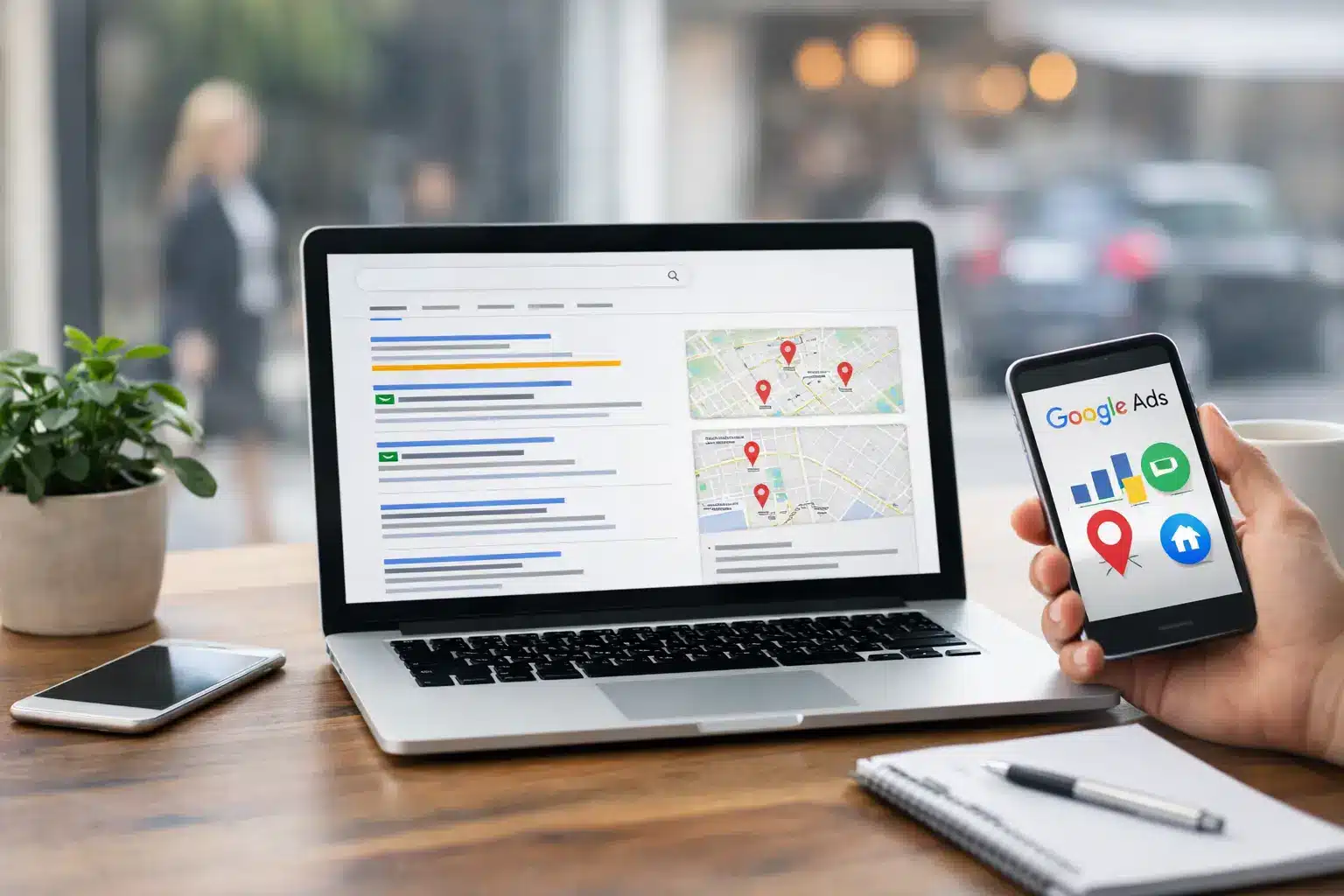
Google Ads places your business in front of people actively searching for a product or service. Unlike an advert that interrupts someone scrolling through social media, a Search campaign responds to a stated need. A person searching “emergency electrician near me”, “accountant for small business” or “kitchen fitter Stourbridge” is already further along their buying journey.
That intent is why Google Ads can work particularly well for trades, professional services, clinics, retailers with local services and B2B firms. It gives a newer business visibility before it has built strong organic search rankings, and it lets established firms target specific high-value services or quieter areas of their patch.
However, the platform does not guarantee enquiries. Google makes it possible to compete for relevant searches, but it charges for the visit rather than for a successful sale. A campaign can attract plenty of traffic and still waste budget if it appears for the wrong searches, sends people to an unhelpful website page or makes contacting the business difficult.
What Turns a Click Into an Enquiry
A useful Google Ads campaign is built around a clear commercial aim. For many local businesses, that means phone calls, quote requests, booking forms or visits to a physical location. The goal should be specific enough to measure, rather than simply aiming for more website traffic.
Start with services people actually search for
The strongest campaigns usually focus on a limited set of profitable, clearly defined services. A roofer may choose flat roof repairs and emergency call-outs rather than advertising every service under one broad advert. A solicitor may separate conveyancing from wills because the searches, questions and conversion routes are different.
Location matters too. A business serving Stourbridge, Dudley, Halesowen and the wider West Midlands should target the areas it can realistically cover. Broad regional targeting can make sense for a specialist service with a higher job value. For a lower-margin, fast-response service, a tighter radius may protect the budget and reduce unsuitable enquiries.
Search terms need regular attention. Someone searching for “web design jobs”, “free website templates” or “Google Ads course” is unlikely to become a customer for a local digital agency. Adding negative keywords prevents adverts appearing for irrelevant searches and is one of the simplest ways to improve lead quality over time.
Match the advert to the landing page
An advert earns attention with a relevant promise. The landing page must then immediately support it. If an advert promotes boiler servicing, sending visitors to a general homepage where they need to search through several menus creates friction. A dedicated page with the service, areas covered, reassurance and a clear contact route gives that click a better chance of becoming an enquiry.
For local firms, credibility often matters as much as the wording of the offer. Show a real business name, telephone number, service area and evidence of experience. Clear pricing guidance can help where it is appropriate, although some bespoke services are better served by explaining the quotation process honestly rather than displaying an artificial starting price.
The page should work properly on a mobile phone. Many service searches happen while someone is out, at work or dealing with an immediate problem. A prominent call button, short enquiry form and fast-loading page are practical requirements, not decorative extras.
Give people a straightforward reason to act
A call to action should fit the decision being asked for. “Request a free quotation”, “Book a consultation”, “Arrange a site visit” and “Call for same-day help” are clearer than a vague “Get in touch”. It tells the visitor what will happen next and reduces uncertainty.
Not every visitor will be ready to ring immediately. Providing both a telephone number and a short form often works well. For complex or higher-value work, offering a consultation or callback can be less intimidating than asking for a full commitment at the first visit.
Budget, Bids and the Reality of Competition
There is no sensible single budget for Google Ads. The cost of a click varies greatly between industries, locations and the competitiveness of a search. Legal, financial, home improvement and emergency services can be expensive because one converted lead may be worth a great deal. Less competitive niches may achieve useful visibility on a smaller daily budget.
The relevant question is not whether a click feels costly. It is whether the campaign produces profitable enquiries. If a £10 click leads to a £1,000 job often enough, it may represent good value. If a £1 click creates no calls or repeatedly brings people outside your service area, it is not a bargain.
A sensible starting budget needs enough activity to learn from. With a very small spend in a competitive market, the campaign may receive too few clicks to reveal which keywords and adverts perform. It is often better to concentrate budget on a few priority services and locations than spread it thinly across every possible offering.
Google’s automated bidding can be helpful once conversion data is reliable, but it should not be treated as a substitute for judgement. The business still needs to set sensible geographic boundaries, review search terms and decide what counts as a worthwhile lead.
Track Leads, Not Just Clicks
Without conversion tracking, it is difficult to know whether advertising is paying its way. A campaign should record meaningful actions such as submitted forms, telephone calls from adverts, calls from the website and appointment bookings. Where possible, leads should also be reviewed after they reach the business: was the enquiry genuine, relevant and likely to become work?
This distinction matters. Ten form submissions from people seeking employment, free advice or services you do not offer are not equivalent to two well-qualified enquiries. A local business may find that fewer leads of better quality are more valuable than a high volume of low-intent contacts.
Lead handling is part of the campaign’s performance. A quick, helpful response can be the difference between a paid enquiry becoming a customer or calling the next advert in the results. Set clear responsibility for answering calls and forms, especially outside normal office hours if your service promises urgent support.
It is also worth checking that the contact form, call tracking and confirmation messages work as intended. Technical issues on a website can quietly undermine an otherwise well-managed campaign.
Common Reasons Google Ads Fails to Produce Leads
Campaigns tend to disappoint for predictable reasons. The business may be using broad keywords with no negative keyword list, or targeting an area far beyond its practical service range. In other cases, adverts promise something the landing page does not explain, or the website is slow and difficult to use on mobile.
Another frequent problem is expecting immediate perfection. Early campaign data is valuable because it shows the phrases people use, the areas that respond and the services that produce better enquiries. Adjustments should be based on enough evidence to spot a pattern, not on one quiet afternoon or a single unusual lead.
There is also a trade-off between volume and control. Broad targeting can reveal new opportunities but may bring more irrelevant traffic. Tight targeting often improves relevance but can limit reach. The right balance depends on the business, its capacity and the value of each job.
Google Ads Works Best Alongside a Good Website
Google Ads can bring potential customers to your door quickly, but your website has to make a convincing case once they arrive. Clear service pages, strong local information, easy contact options and a professional design give paid traffic somewhere useful to go.
It also works well alongside SEO rather than replacing it. Paid advertising can provide immediate visibility for priority searches, seasonal work or new services. SEO helps build a more lasting presence in the organic results. Together, they reduce reliance on a single route to market.
For businesses that do not have the time to manage keywords, tracking and regular improvements, Web Design Stourbridge can bring the advertising and website sides together. That joined-up approach is often more effective than treating a Google Ads campaign as a separate task.
The most useful first step is to choose one service you genuinely want more enquiries for, define the area you can serve well and make sure your website gives people a simple reason to contact you. That is where paid clicks start becoming worthwhile leads.